Table des matières
A special visit: Axel Binner at STAUFF
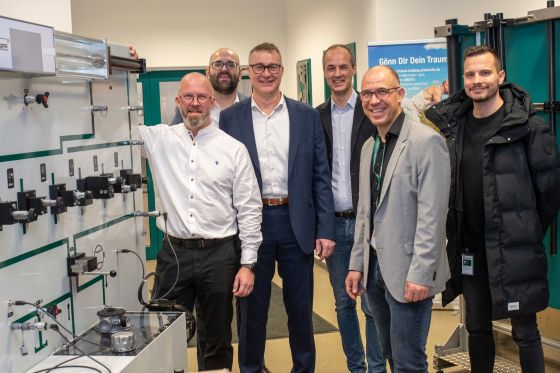
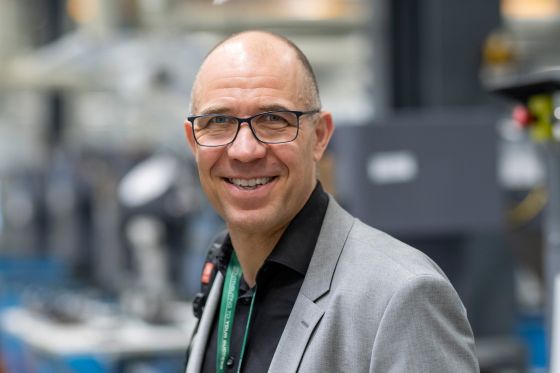
The recent visit by Axel Binner, Managing Director of Hydropa and initiator of the hydraulics initiative, provided a valuable opportunity to talk about the future of the hydraulics industry and the importance of knowledge transfer. His commitment impressively demonstrates the importance of cooperation and enthusiasm for technical topics in order to attract skilled workers and secure expertise in the long term.
During the joint dialogue, it quickly became clear that hydraulics is not only a key technology, but also one that offers great opportunities - if it is communicated in an understandable way.
Why hydraulics knowledge is more important today than ever
Hydraulics move our everyday lives - from hairdressing chairs to agricultural machinery and aeroplanes. They work powerfully, precisely and efficiently. At the same time, the complexity of many machines is increasing, making in-depth knowledge of components and systems ever more relevant.
Instead of seeing this development as a challenge, it opens up a positive perspective: hydraulics offers a wide range of entry-level opportunities, exciting technologies and genuine innovative strength.
Stronger together: the hydraulics initiative
The Hydraulics Initiative, founded by Axel Binner, has set itself the goal of making the diversity and relevance of hydraulics visible and inspiring new talent for the industry. Around 90 companies are already part of this network - including STAUFF .
This collaboration creates a space in which companies can share their knowledge, learn from each other and jointly provide impetus for modern training. The aim is to make hydraulics understandable, attractive and accessible.
Practical learning: the STAUFF HydroDidact
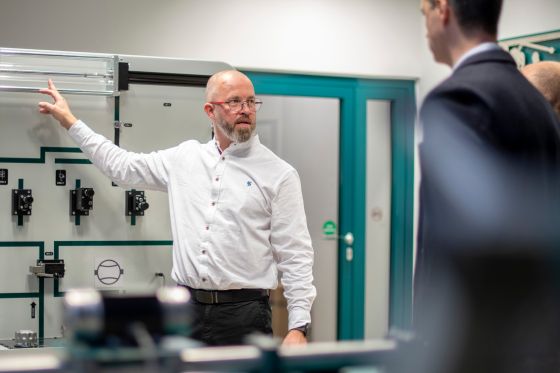
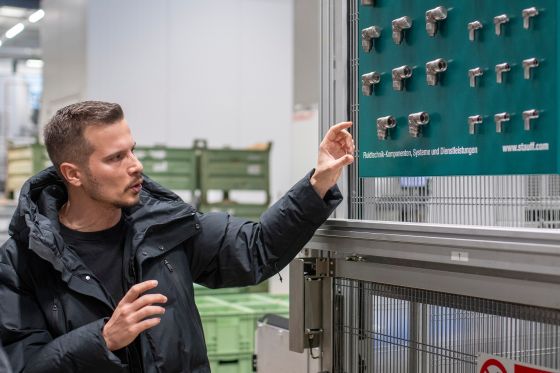
A particular highlight of the visit was the STAUFF HydroDidact - a closed-circuit system that makes hydraulics a tangible experience. Application engineers such as André Degen use the system to clearly demonstrate how oil pressure works, what happens in the event of a leak or how an emergency stop affects pressure reduction.
The HydroDidact is used both in internal training courses and in exchanges with vocational students. The aim is not just to explain the basics, but to make them tangible.
How knowledge transfer creates quality, safety and enthusiasm
The dialogue with customers, partners and junior staff shows time and again how important it is to convey hydraulics expertise in an understandable way. Because correctly applied knowledge ensures:
high system availability
Durable system solutions
Secure applications
More efficient work processes
STAUFF relies on dialogue based on partnership, practical training and understandable language.
Shaping hydraulics for the future together
Axel Binner's visit showed once again how valuable personal dialogue is. When companies share their knowledge, there is joint added value: more understanding, more enthusiasm and more expertise.
STAUFF therefore continues to be actively involved in the hydraulics initiative, promotes practical knowledge transfer and is committed to making hydraulics accessible to all user groups.
After all, the future of hydraulics is created where people engage in dialogue with each other - and are willing to pass on their knowledge.
FAQs
Why are hydraulics such a versatile drive technology?
Hydraulics enable high forces, precise movements and compact designs. As a result, it is used in numerous applications ranging from agricultural machinery to medical technology.
How does STAUFF support further training?
With training courses, workshops and the STAUFF HydroDidact, STAUFF offers practical opportunities to experience and apply hydraulics in an understandable way.
What role does the Hydraulics Initiative play?
It networks companies, promotes knowledge transfer and advocates modern training paths - for example, by proposing a new qualification for hydraulic or fluid technology technicians.
Why is knowledge transfer so important for the industry?
Because increasing technical requirements demand a good understanding of the systems. Sharing knowledge strengthens quality, safety and innovation.

Newsletter subscription
Subscribe now and don't miss any new articles!