Table des matières
Multi couplers connect several hydraulic lines in a single step
Multi couplers are connection systems that allow several hydraulic lines to be connected or disconnected simultaneously in a single operation. Instead of individual couplings, this creates a central connection point, which saves time and simplifies handling.
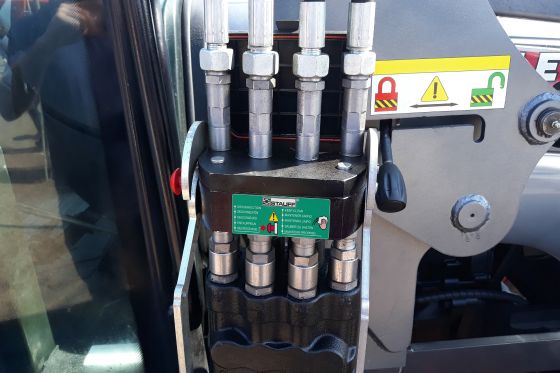
Here at STAUFF, we now offer MCS (Multi Coupling System) series multi couplings and are specifically expanding our portfolio to include solutions for applications involving multiple hydraulic functions and frequent coupling operations. The systems are designed to connect several lines in parallel without the need to manually assign individual connections.
The benefits are particularly evident in practice: assembly times are reduced, operating errors are avoided and processes are made clearer overall.
With the new MCS series, we are specifically expanding our portfolio
With the launch of the MCS series, we are responding to the growing demands of modern hydraulic systems. Machines and plant are increasingly operating with multiple parallel functions, additional control lines and, in some cases, integrated electrical connections.
multi couplings offer a structured solution here: they bundle several lines into a central interface and enable the rapid replacement of attachments or system components. This provides a clear advantage, particularly in applications involving frequent changeovers or maintenance work.
The MCS series fits into this context and complements the existing portfolio with a solution designed for efficiency, operational reliability and ease of use.
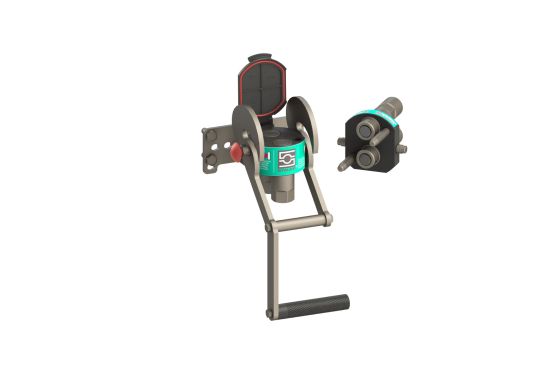
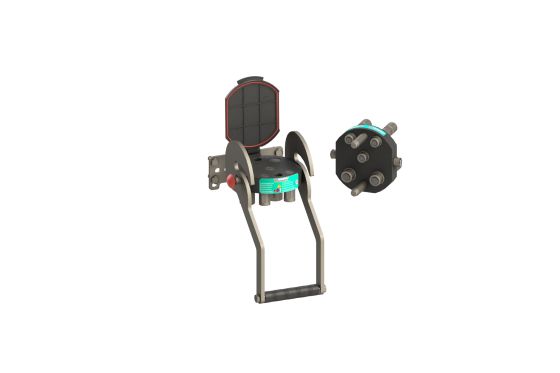
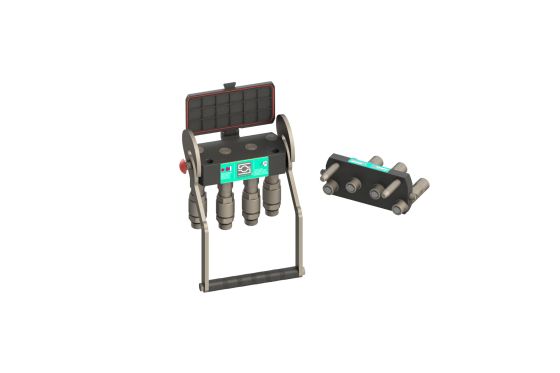
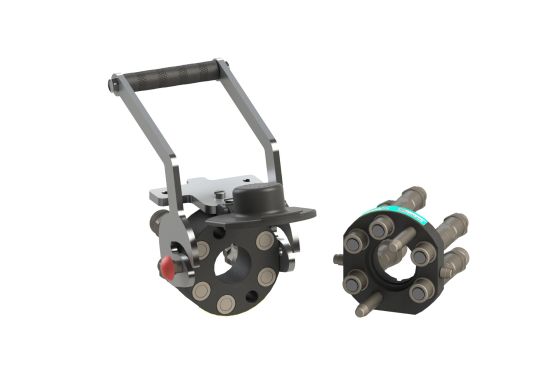
How multi couplings work in a hydraulic system
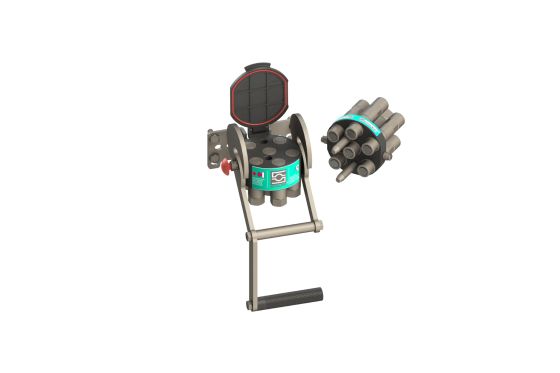
MCS multi couplers consist of two main elements: a fixed half (also known as the fixed half) on the machine and a movable half (also known as the movable half) on the attachment or the unit to be connected. During coupling, the fixed and movable halves are brought together and mechanically connected.
The connection is made via a hand lever mechanism that activates several integrated couplings simultaneously. The defined guidance of both halves ensures that all connections are correctly aligned and connected at the same time.
A key feature is the use of flat-sealing coupling elements. These ensure that only small quantities of hydraulic fluid escape during coupling and uncoupling, and that the connection remains clean.
Furthermore, the systems allow coupling even under residual pressure, which is particularly advantageous during operation or during maintenance. Several lines can be connected simultaneously; depending on the version, this can be two to six hydraulic circuits.
The MCS series at a glance: versions for different requirements
The MCS series comprises various models designed to meet different requirements in hydraulic applications. The focus is primarily on the number of lines and the functional design.
Typical variants include:
multi couplers for two lines in simple applications
Systems with four or five connections for medium complexity
Versions with six lines for machines with a high functional density
In addition, variants are available that are tailored to specific applications, for example for applications with additional electrical connections or specific installation scenarios.
This wide range allows multi couplers to be specifically adapted to different machine designs and requirements.
Multi couplers in use: applications involving frequent connection and disconnection
Multi couplers are used wherever several hydraulic lines need to be connected and disconnected on a regular basis. They are particularly relevant in applications involving interchangeable attachments or modular systems.
Typical areas of application include:
Agricultural machinery with interchangeable attachments
Construction and mining machinery
Forestry machinery and municipal vehicles
Industrial plants with modular components
Stationary hydraulic systems
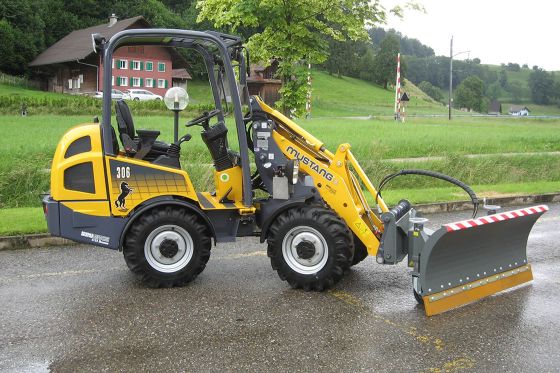
In these applications, multi couplers enable components to be changed more quickly, reduce downtime and increase operational reliability.
Selecting the right multi coupler for the application
The selection of a suitable multi coupler depends on several factors arising from the specific application. Both technical requirements and practical considerations play a role here.
Key criteria include:
Number of hydraulic lines required
Pressure and flow requirements
Installation space and size
Frequency of coupling operations
Maximum operating pressure and requirements for flow rate and pressure drop
Integration of additional functions such as electrical connections
The aim is to select a solution that meets the system’s requirements whilst also ensuring simple and safe operation.
FAQs
What is a multi coupler?
A multi coupler is a connection system that allows several hydraulic lines to be connected or disconnected simultaneously. It replaces individual couplings with a central connection unit.
What are the advantages of an MCS multi coupler from STAUFF?
multi couplers reduce installation effort, increase process reliability and ensure a clear connection of several lines in a single step, thereby eliminating the risk of lines being mixed up.
How many lines can be connected using a multi coupler?
Depending on the model, between two and six hydraulic lines can be connected simultaneously.
Can multi couplers be connected whilst under pressure?
Yes, modern multi couplers allow coupling even when residual pressure is present, which facilitates their use under real operating conditions.
In which applications are multi couplers particularly useful?
They are particularly useful in applications involving frequent switching operations, multiple hydraulic functions or modular system configurations.
Are there multikouplers with additional electrical connections?
Yes, certain variants allow electrical cables to be connected at the same time as the hydraulic lines.

Newsletter Sign-up
Sign up now and never miss another post!