Why the distinction between white space and grey space is important
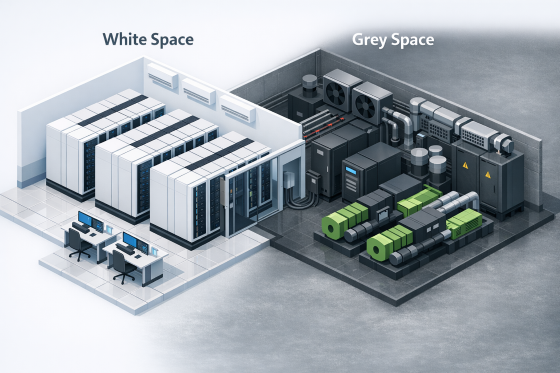
With the global growth of cloud services, AI applications and edge infrastructures, the demands on the planning, operation and scalability of data centres are constantly increasing. Modern data centres essentially consist of two clearly defined functional areas: white space and grey space.
Even if their tasks differ significantly, the two areas are inextricably linked. The availability, efficiency and resilience of a data centre depend on IT space and technical infrastructure working together reliably.
White space: the IT core of modern data centres
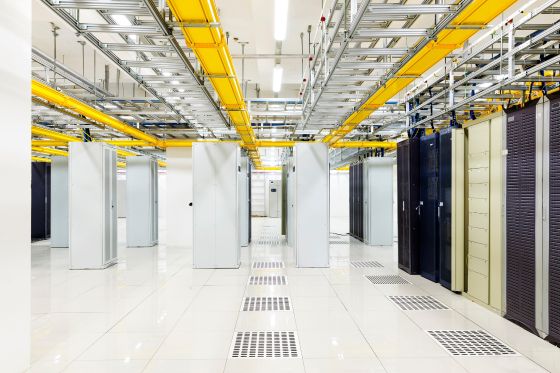
The white space forms the operational centre of a data centre. This is where the actual data processing takes place.
The white space typically comprises
Server racks
Storage systems
Network and switching hardware
This is a highly controlled environment that is specially designed to maximise performance, availability and data security. Key features include precise cooling systems for high heat loads, structured air routing concepts such as hot and cold aisle containment, defined cable management solutions and modern fire detection and extinguishing systems.
As any failure in the white space has a direct impact on digital services, the focus here is on reliability, monitoring and defined operating conditions.

Grey space: technical infrastructure as the basis for availability
While the white space is the centre of attention, its operation would not be possible without the grey space.
The grey space comprises the technical infrastructure that supplies, protects and stabilises the data centre. This includes, among other things:
Uninterruptible power supplies (UPS)
Emergency power generators
Switchgear and transformers
Refrigeration and cooling systems
Pumps, pipework and heat exchangers
This area is designed for redundancy and continuous operation. It ensures that the energy and cooling supply remain available at all times, even in the event of power failures, maintenance work or peak loads. The mechanical and electrical reliability in the grey space therefore directly determines the availability of the white space.
Key differences between white space and grey space
White space and grey space differ in terms of function and design, but share a common goal: maximum operational reliability.
White space is geared towards IT operations and data processing and requires clean, controlled environmental conditions. Grey space, on the other hand, is more industrial in nature and accommodates high-performance mechanical and electrical systems with high continuous loads.
Despite these differences, both areas require high-quality, reliably designed components that function stably over long periods of time.
Aspect | White Space | Grey Space |
Function | Division for IT operations and data processing | Division for energy, cooling and supply infrastructure |
Typical equipment | Server racks, storage systems, network and switching hardware | UPS systems, emergency power generators, switchgear, cooling systems, pumps, pipework |
Operating environment | Clean, strictly controlled climate, restricted access | Industrially characterised, high performance, continuous mechanical and electrical loads |
Reliability requirements | Direct influence on availability, performance and data security | Indirect but decisive influence on the uptime of the entire data centre |
Cooling concepts | Precision cooling, hot/cold aisle containment, partial liquid cooling | Cooling generation, cold water and cooling circuits, heat exchangers |
Risk assessment for failures | Immediate impact on digital services | Delayed but system-critical impact on the white space |
Technical focus | Compact design, cleanliness, leakage protection, monitoring | Robustness, media resistance, redundancy, continuous operation capability |
Significance for the overall operation | Centrepiece of data processing | Foundation for security of supply and resilience |
Technical requirements in both data centre areas
The technical requirements differ depending on the area, but overlap in key points:
High operational reliability
Defined material and quality standards
Long-term availability
Easy maintenance and scalability
While compact designs, cleanliness and leakage protection are the focus in the white space, robustness, media resistance and continuous load capacity are crucial in the grey space. Both areas benefit from standardised, industrial-grade solutions that can be reliably integrated into complex infrastructures.
STAUFF solutions in the white space
In the white space, STAUFF products are primarily used in cooling and distribution systems. Typical areas of application are
Liquid cooling for high-density server racks
Distribution and return systems
Monitoring and filtration components
Components for pressure and flow control
Compact design, clean installation, tight connections and precise monitoring are crucial here. STAUFF solutions support stable, energy-efficient operation and help to reduce the risk of unplanned downtime.
STAUFF solutions in grey space
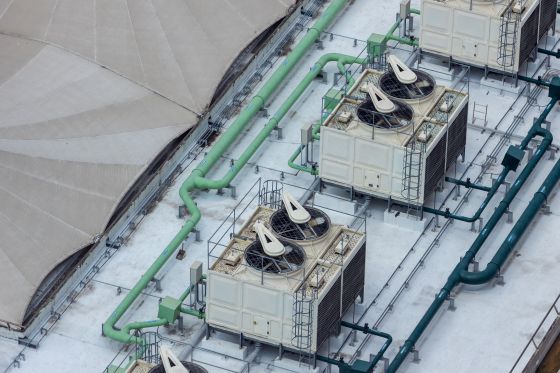
In the grey space, STAUFF components support the supporting infrastructure of the data centre, including
Chilled water and cooling systems
Pump and pipework systems
Fluid technology applications
Emergency power and energy supply systems
These applications require robust, durable and industry-proven solutions that function reliably even under continuous load. This is precisely where the strengths of the STAUFF portfolio lie.
A holistic approach for reliable data centre infrastructure
The use of proven, high-quality components in white space and grey space offers clear advantages:
Uniform quality and engineering standards
Reduced complexity in procurement and maintenance
High system compatibility
Support for safety and design requirements
With a broad portfolio of connection technology, clamps, filtration, monitoring and fluid technology solutions, STAUFF enables a holistic approach to the planning and operation of modern, future-proof data centres.
FAQs
What is the difference between white space and grey space in a data centre?
White space is the area in which servers, storage and network technology are operated. The grey space comprises the supporting technical infrastructure such as power supply, cooling and emergency power systems that safeguard the operation of the white space.
Why is the white space particularly critical for data centre operations?
The white space is where the actual data processing takes place. Disruptions in cooling, power supply or airflow have a direct impact on availability, performance and data security.
What role does grey space play in the availability of a data centre?
The grey space ensures redundancy and resilience. It guarantees a continuous power and cooling supply even in the event of power failures or peak loads and is therefore crucial for high uptime values.
Are the technical requirements different in white space and grey space?
Yes, white space requires clean, compact and precise solutions, especially for cooling and monitoring. Grey space requires robust, industrial-grade components for high continuous loads. Both areas place high demands on reliability.
Are STAUFF products used in both areas?
Yes, STAUFF solutions are used in both white space and grey space and support cooling, piping systems, monitoring, filtration and mechanical installations throughout the data centre.
What advantages does a standardised supplier offer for both areas?
A single supplier reduces interfaces, simplifies maintenance and procurement and ensures consistent quality and engineering standards across all infrastructure levels.

Newsletter subscription
Subscribe now and don't miss any new articles!